Your Guide to Hiking Corona Arch: See Pinto & Bowtie on the Way
Moab, Utah, is a land of red rock wonders, but beyond the iconic Arches and Canyonlands National Parks lies a gem that offers an equally breathtaking, and often less crowded, adventure: the Corona Arch hiking trail in Moab. This isn't just a walk; it's an immersive journey through a spectacular desert landscape, complete with unique geological formations, a thrilling cable and ladder ascent, and the reward of three incredible arches, culminating in the magnificent Corona Arch itself.
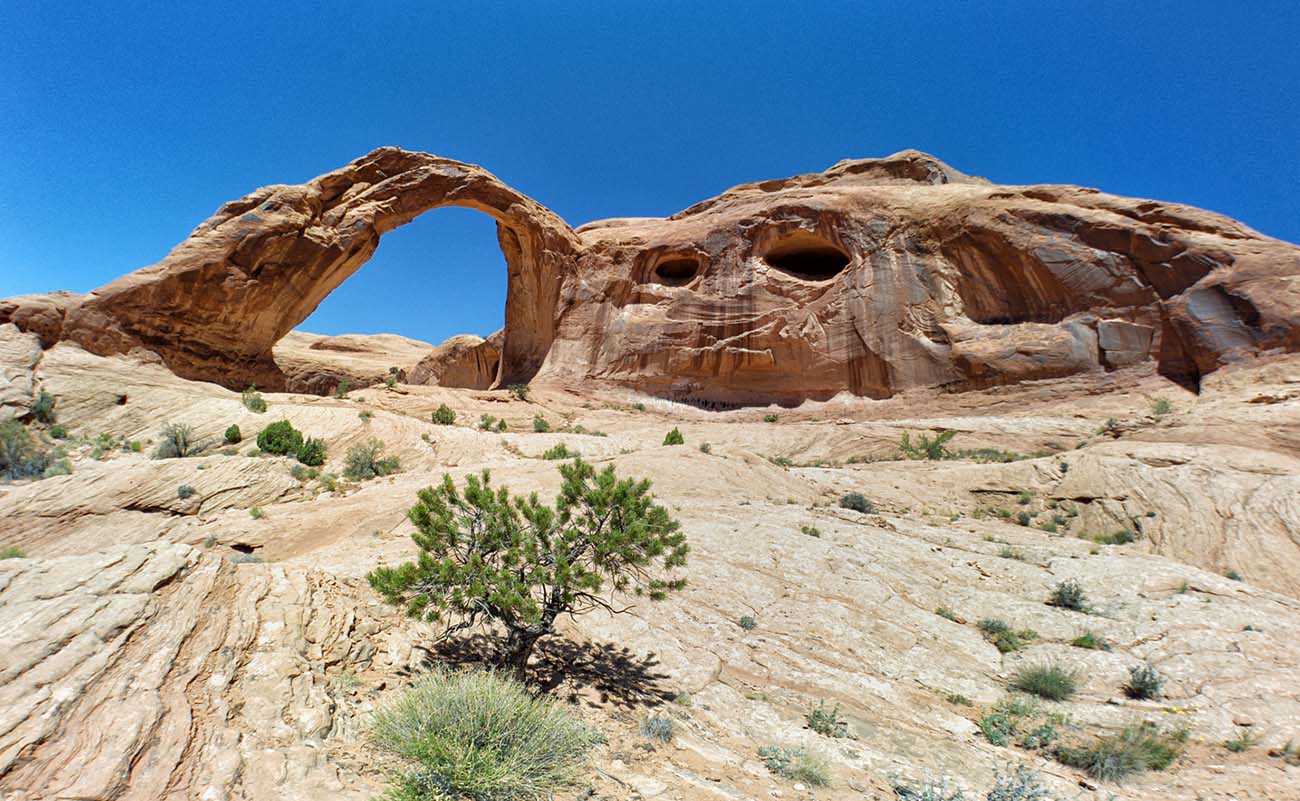
Often referred to as "Little Rainbow Bridge," Corona Arch is one of the largest and most spectacular natural arches in the Moab area. But the journey is just as remarkable as the destination, guiding you past two other fascinating formations, Pinto Arch and Bowtie Arch, making every mile a discovery. For those seeking an unforgettable Moab experience that blends natural beauty with a touch of adventure, the Corona Arch trail is an absolute must-do.
Navigating the Corona Arch Hiking Trail: A Step-by-Step Adventure
The Corona Arch Trail offers a moderate, 3-mile round-trip hike that typically takes 2-3 hours to complete. What makes this trail truly stand out are the varied terrains and the unique features, including metal cables and a ladder, designed to aid hikers over slickrock sections. Here's what you can expect on your journey:
Getting Started: Trailhead & Initial Ascent
Your adventure begins at the well-marked trailhead, conveniently located on the right side of the parking area along Utah Scenic Byway 279, approximately 10 miles west of the Utah 279/U.S. 191 junction. This scenic byway itself is a treat, winding alongside the Colorado River.
From the parking lot, the trail quickly climbs a rocky talus slope. Within about 0.1 mile, you'll reach a BLM register box just before a set of railroad tracks. It’s a good practice to sign in here for safety and to help trail management. Cross the tracks carefully; they are still active, used by trains hauling potash from the nearby Potash Mine – a fascinating glimpse into Moab's industrial side.
Beyond the tracks, the sandy trail follows an old road, gently guiding you north alongside a towering cliff. This initial section offers a great warm-up and an introduction to the vast, open desert landscapes that define Moab.
Discovering Pinto Arch & the First Challenges
As the trail bends right below the cliff face, keep your eyes peeled and look up to your left, towards the high canyon rim. Here, nestled dramatically, you'll spot Pinto Arch. This unique formation is a "pothole arch," created when a water-filled depression on the cliff's surface eroded downwards, eventually breaking through to form the arch.
The trail then begins to climb up a shallow rocky canyon, leading to a broad bench. From here, you'll traverse across sections of sand and expansive slickrock pavement. While daunting at first glance, these slickrock areas are remarkably grippy and are well-marked with cairns (stacked rocks) to guide your way. Pay close attention to these markers to stay on track.
The first significant challenge and thrill of the hike comes when you encounter a long metal cable anchored to posts. This cable acts as a handrail, assisting hikers across a sloping slab below a tall cliff. Past this cable, at approximately 0.7 miles into the hike, you'll be rewarded with your first breathtaking view of Corona Arch, dramatically spanning Bootlegger Canyon. For hikers who have a significant fear of heights or are unsure about more technical sections, this point offers a spectacular vista and serves as an excellent, safe turnaround point.
Ascending to Bowtie Arch and Beyond
If you're continuing, the adventure deepens. The trail crosses more slickrock pavement, bending left along a wide stone bench, leading to another cable section. This segment is more involved, requiring you to grab the cable and climb steps carefully chopped directly into a sandstone slab. Immediately above this, you'll encounter a short, five-step metal ladder, leading to a higher bench where a small, twisted juniper tree provides a moment of natural beauty.
Following this higher slickrock bench, you'll loop around the head of a cul-de-sac canyon, bending east towards Corona Arch. Along this stretch, keep an eye to your left. Towering impressively above the trail is Bowtie Arch. Like Pinto, Bowtie is another pothole arch, showcasing the incredible erosive power of water on sandstone.
The final push involves hiking along a sloping sandstone slab, with the grandeur of Corona Arch growing with every step. After approximately 1.5 miles from the trailhead (3 miles round trip), you'll reach your destination.
The Grand Finale: Corona Arch
Standing beneath Corona Arch is an awe-inspiring experience. This spectacular span, carved from Navajo sandstone, boasts an opening that measures an impressive 140 feet across and 105 feet high. Its sheer size and delicate appearance are best appreciated by lying down in its long, narrow shadow on a hot day, giving you a true measure of its immense scale and the fragility of its natural architecture.
Unlike many of Moab's famous arches, Corona Arch lies outside the boundaries of Arches National Park. This means it hasn't always received the same federal protections, leading to a history of adventure sports like rappelling and rope swings. While the practice of "airplanking" (swinging from the arch) has thankfully been banned for safety and preservation, the arch remains a popular spot for climbers and a testament to the rugged, adventurous spirit of Moab.
Essential Tips for a Safe & Enjoyable Corona Arch Adventure
To make your hike on the Corona Arch hiking trail in Moab as enjoyable and safe as possible, preparation is key. Here's what you need to know:
Preparation & Gear
- Water: This trail gets full sun exposure almost all day. Carry a minimum of 2-3 liters of water per person, especially during warmer months.
- Sun Protection: A wide-brimmed hat, sunglasses, and high-SPF sunscreen are essential. Little shade is found along the trail, except beneath overhanging cliffs in the late afternoon.
- Footwear: Sturdy hiking boots with good ankle support and excellent grip are crucial for navigating slickrock, loose talus, and the cable/ladder sections.
- Snacks: Bring energy-boosting snacks to fuel your hike.
- Gloves: Consider bringing work gloves or hiking gloves to protect your hands while gripping the metal cables.
- First-Aid Kit: A basic kit with blister treatment, pain relievers, and any personal medications is always wise.
Best Time to Hike
- Cooler Seasons: Spring (March-May) and Fall (September-November) offer the most pleasant hiking temperatures.
- Warmer Months (Summer): If hiking between June and August, start your hike first thing in the morning to beat the intense midday heat. The trail receives sun all day, so the earlier, the better.
- Late Afternoon: While hot, late afternoon can offer some shade beneath overhanging cliffs and the possibility of a stunning sunset return.
Safety & Awareness
- Watch Children: The trail skirts numerous drop-offs and features exposed ledges, requiring constant vigilance if hiking with children.
- Fear of Heights: As mentioned, if you have a significant fear of heights or unsure footing, it's perfectly fine to stop after the first cable section to view Corona Arch from a safe distance and turn around.
- Follow Cairns: Always stay on the marked trail, especially across slickrock expanses where cairns are your only guide.
- Pets: Leashed pets are allowed on the Corona Arch Trail. Ensure they also have plenty of water and are accustomed to rocky, hot terrain. Protect their paws from hot surfaces.
- Leave No Trace: Pack out everything you pack in. Respect the natural environment and do not disturb rock formations or vegetation.
Beyond the Arch: Why Corona Offers a Unique Moab Experience
The Corona Arch Trail isn't just another hike; it's an adventure that captures the essence of Moab's rugged beauty and adventurous spirit. Its location just outside the national parks often means fewer crowds, allowing for a more serene and personal connection with the landscape. The blend of geological wonders, from the majestic Corona Arch to the intriguing Pinto and Bowtie arches, combined with the exhilarating challenge of the cables and ladder, creates a truly memorable outing.
It’s a perfect option for those who want to experience Moab's iconic arches but are looking for something a bit different, perhaps a bit more hands-on, than the well-trodden paths within the national parks. For another detailed look at the challenges and rewards, explore Hike Corona Arch: Moab's Epic Trail with Cables, Ladders & 3 Arches. If you're seeking a less crowded adventure outside the national parks, this trail truly stands out. To learn more about what makes it a prime alternative, check out Discover Corona Arch Trail: Moab's Less Crowded Arch Adventure.
Conclusion
The Corona Arch hiking trail in Moab promises an extraordinary journey through Utah's iconic red rock country. From the initial climb past railroad tracks to the final breathtaking reveal of Corona Arch, flanked by Pinto and Bowtie arches, this moderate trail delivers immense rewards. With proper preparation and an adventurous spirit, you'll conquer slickrock, cables, and a ladder, earning spectacular views and a deep sense of accomplishment. Make sure to add this unique and thrilling Moab arch adventure to your must-do list!
